Case Study: Transforming Retail Fulfilment with an AI-Developed Omni-Channel Shopify Widget
Principal, AI & Systems Architecture Strategy
The Challenge: Bridging the Digital and Physical Inventory Gap
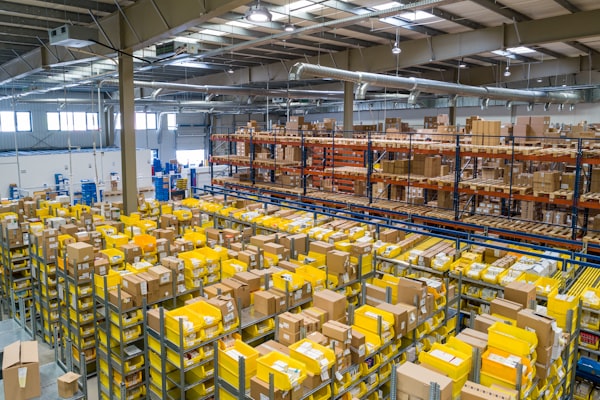
For modern retail companies, a major operational bottleneck is the mismatch between digital inventory records and actual physical stock. Items are frequently miscoded at the register, misplaced, or stolen, leading to a situation where a system might show an item in stock when it is physically missing. When customers order these items, it results in cancelled orders and a degraded customer experience. Furthermore, developing a custom e-commerce solution to handle complex, multi-store inventory routing typically requires expensive outsourced developers who specialise in specific coding languages like Shopify's Liquid or complex ERPs like Priority ERP.
The Solution: AI-Powered Rapid Widget Development
To solve this, we developed for our client an end-to-end inventory visibility and automated fulfilment widget built for a Shopify storefront.
How the Widget Works (The Customer & Operational Workflow)
The newly deployed Shopify widget orchestrated a seamless, multi-step workflow connecting the customer directly to the store level:
Real-Time SKU Checking: A user selects a product on the website and checks its SKU to see exactly which retail branches currently have the item available in real time.
Physical Verification Alert: Instead of instantly accepting the order based on potentially flawed digital data, the widget sends an automated alert directly to the store manager of the selected branch. The manager is prompted to physically verify that the item is actually on the shelf.
Customer Feedback & Reservation: Once the store manager physically locates the item, they confirm it in the system. The widget then places the physical item on hold (reserved) and feeds this confirmation back to the user.
Dynamic Fulfilment Options: After availability is confirmed, the user is presented with flexible, omni-channel delivery options to proceed with the order:
Direct Pickup: The user can travel to the specific branch holding the item and pick it up directly.
Inter-Store Transfer: The user can elect to have the item shipped from the holding store to a different, more convenient branch for next-day pickup.
Direct-to-Door Shipping: The user can opt to have the item shipped directly to their home address via a carrier like FedEx.
Integrated Payment: Finally, the user selects their preferred payment method to complete the transaction, finalising the order seamlessly.
The Benefits of AI Automation for Retail Companies
Drastically Reduced Development Time and Cost: What traditionally would take months of expensive, in-house or local Australian developer time was accomplished by a high-quality offshore team.
Elimination of Inventory Friction: By introducing a physical verification step before payment and reservation, the retailer completely eliminates the "phantom inventory" problem, saving the customer service team from handling refund requests and apologies for out-of-stock items.
Enhanced Customer Experience: Customers are given total flexibility, allowing them to leverage the retailer's entire physical footprint for extreme convenience (next-day inter-store transfers or direct shipping) without the retailer needing a massive centralised distribution centre.
Preservation of Legacy Systems: The AI acts as a bridge, meaning the retailer did not have to "rip and replace" their existing ERP or inventory management software; the AI simply wrote the necessary code to connect the existing systems via APIs.